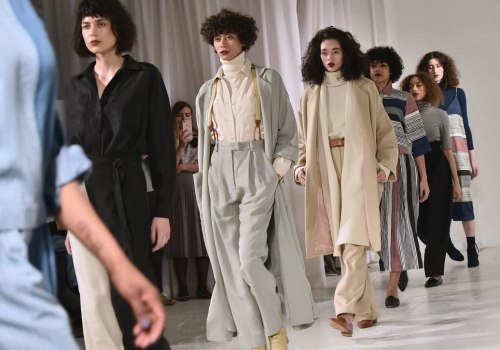
Fashion is often discussed in terms of trends, personal style, and visual presentation, but its influence extends far beyond appearance alone. Clothing choices can affect how individuals perceive themselves, how they interact with others, and how they navigate social and professional environments. While confidence is commonly associated with skills, achievements, and personality, the role fashion plays in shaping self-assurance is frequently overlooked. The way people dress can influence their mindset, behavior, and willingness to engage in opportunities, making fashion a powerful yet often underestimated factor in personal development and everyday success.
How Clothing Influences Self-Perception
One of the most significant ways fashion affects confidence is through self-perception. When individuals feel comfortable and satisfied with their appearance, they are often more likely to approach situations with a positive mindset. Clothing that aligns with personal preferences, fits well, and reflects individual identity can create a sense of confidence that extends into daily interactions.
Researchers and psychologists have explored the concept of "enclothed cognition," which suggests that clothing can influence psychological processes and behavior. People often associate certain styles of dress with professionalism, competence, creativity, or authority. When individuals wear clothing that aligns with how they wish to be perceived, they may experience increased confidence and a stronger sense of self-assurance. This internal effect often becomes visible in posture, communication, and overall presence.
Social Confidence and First Impressions
Fashion also plays a role in social interactions by influencing first impressions. While meaningful relationships are built on personality and character, appearance often serves as an initial point of communication. Clothing can convey information about interests, professionalism, cultural identity, and personal style before a conversation even begins.
Feeling appropriately dressed for a social setting can reduce self-consciousness and encourage greater participation in conversations and activities. Whether attending a networking event, community gathering, family celebration, or social function, individuals who feel confident in their appearance are often more willing to engage with others. This increased comfort can lead to stronger social connections and a greater sense of belonging within various groups and communities.
Professional Confidence in the Workplace
In professional settings, fashion can influence both self-confidence and perceptions of competence. While skills and performance remain the primary drivers of career success, appearance often contributes to how individuals present themselves in interviews, meetings, presentations, and workplace interactions.
Professional attire can help individuals feel prepared and capable when facing important responsibilities. A well-chosen outfit may encourage greater confidence during public speaking engagements, client meetings, or leadership opportunities. Additionally, dressing in a manner that aligns with workplace expectations can help individuals feel more integrated into their professional environment, reducing uncertainty and increasing comfort.
Confidence Is Often Built Through Multiple Factors
Although fashion can contribute significantly to confidence, it is important to recognize that self-assurance is influenced by many interconnected factors. Personal achievements, education, communication skills, physical well-being, and self-care all contribute to how individuals feel about themselves. For example, aspects of personal wellness and appearance supported by organizations such as Miler Orthodontics may also play a role in helping individuals feel more confident during social and professional interactions.
When various elements of self-care work together, they often reinforce one another. A person who feels healthy, comfortable, and confident in both appearance and abilities is more likely to approach opportunities with optimism and self-belief.
The Lasting Influence of Personal Presentation
Fashion is often viewed as a matter of style, but its influence extends into many aspects of daily life. By shaping self-perception, supporting positive first impressions, and enhancing comfort in social and professional situations, clothing can contribute meaningfully to confidence and personal growth. While fashion alone does not determine success, it can serve as a valuable tool that helps individuals express themselves and navigate important interactions with greater assurance.
The rarely discussed connection between fashion and confidence highlights the broader role personal presentation plays in human behavior. When people feel good about how they present themselves, they are often better equipped to pursue opportunities, build relationships, and participate fully in both social and professional environments.